Guidelines for Authentic Portrayals of Autism
A set of suggestions backed by scientific research
The Neurodiversity Paradigm
-
We are a group of cinephiles that recognize the power film and popular media hold to sway popular opinion. We hope to increase inclusion and reduce stigma through these recommendations.
-
We believe that the variability in human cognition is greater than assumed. Neurodiversity should be accepted as part of the natural variation of humankind. The interaction between social stigma and biological factors creates our definition of disability- being neurodivergent is not inherently “bad.”
-
For the article that is the foundation of our understanding of neurodiversity, see P. Dwyer’s work, “The Neurodiversity Approach(Es): What Are They and What Do They Mean for Researchers?” at pubmed.ncbi.nlm.nih.gov/36158596/.
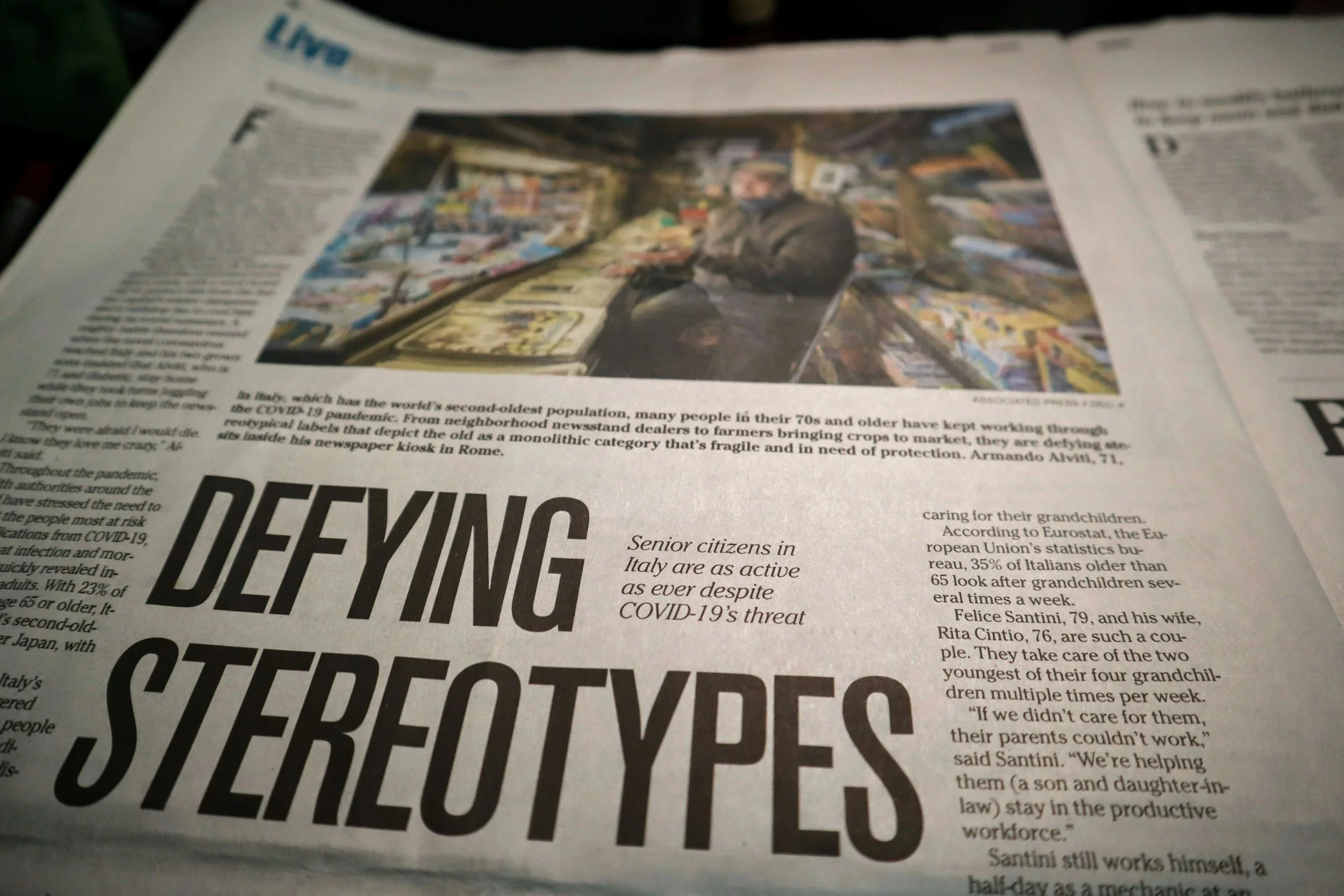
Some helpful definitions.
Let’s start on the same foot.
Stigma: “the negative perceptions or beliefs held by one group of people about another group of people, based on unfavorable understandings of common attributes”
Stereotype: “oversimplified ideas or representations of a group and the characteristics that typify that group (usually a minority group) and are uncritically accepted as fact by the community”
Definitions via “Full Article: Autism, Stereotypes, and Stigma: The Impact of Media Representations.” by Catherine Hungerford
Common Stereotypes regarding Autistic People
According to “Autism, Stereotypes, and Stigma: The Impact of Media Representations” by Catherine Hungerford.
Introversion (viewed negatively)
A lack of communication and social skills
Actions/Behaviors considered “weird” to neurotypical people
Savant syndrome “extraordinary ability in an area, such as mathematics, despite social or intellectual impairments”
Associating autistic people with emotional numbness, the inability to emotionally regulate, or the behaving unpredictably or violently
A patronizing view of autistic adults
Keep these in mind when writing a portrayal of autism
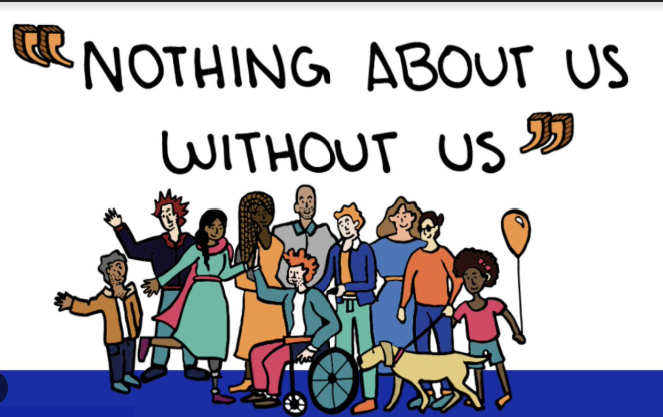
“Nothing About us, Without Us”
A survey of 2261 adults, 798 autistic, were asked to score elements based on how much they would improve autistic representation. Autistic adults ranked “casting autistic actors,” “appointing autistic writers,” and “making autism incidental and not central to the plot” significantly higher than non autistic individuals. Autistic people have to deal with the consequences of decisions made about the creation of autistic characters. Therefore, their voices should be heard in the mission to make high-quality portrayals (Orm).

Neurodivergence is Not an Obstacle
In a study gathering advice from neurodivergent teens about writing neurodivergent characters, one of the findings was the rejection of the idea that neurodivergence is an obstacle and should be portrayed as such (Webber). Many neurodivergent individuals find community around their diagnosis and identify strongly with it. Representing is as a hurdle to character development or success perpetuates stigma.
Click the first picture to access the full article.

Autism is not uniform
In the aforementioned study, autistic adults also recommend the inclusion of more variability in autistic characters (Orm). Symptoms of autism do not manifest in the same way across all people with Autism Spectrum Disorder (ASD).

Autism may look different in Women and Girls
The criteria for autism were based on studies of male patients, and autism was historically considered to be a “male” issue. Girls are referred for clinical evaluation 10x less than boys (UCLA Health), and by the time this occurs their symptoms are usually more severe ( Mete Yesil) . Girls tend to internalize and mask their symptoms more frequently (UCLA Health).
Inclusion does not necessitate the Spotlight
Sometimes the normalization of ASD means including a side character with autism. Making every autistic character the center of attention may draw unnecessary or harmful attention to the trait (Webber). Individuals with autism can be regularly interspersed throughout a cast of characters, as they are in the real world.
Symptoms of Autism are Not Comedic Relief.
Autistic individuals often become the punchline in popular media. They are portrayed as being socially inept, which becomes a source of comedy (Hungerford). If a portrayal contains a joke involving the “weird” autistic individual, analyze the writing critically— is a stereotype being laughed at?
Consider Staying Away from Savant Syndrome.
Savant Syndrome tends to be overrepresented in media, glorifying the challenges that autistic people face and setting an expectation that autistic individuals have extraordinary skills (Hungerford). Only about 1 in 3 autistic people actually exhibit savant syndrome (Mittman). The gain of some incredible talent does not discount the challenges of ASD.
The DSM Diagnostic Criteria is Not a Checklist
Many portrayals of autism stick too closely to the diagnostic criteria, to a degree that is formulaic, hyperbolized, and unrealistic. Neurodiverse individuals are all unique. Consider incorporating some of the DSM criteria, but not every symptom. Incorporate complexity beyond a diagnostic label (Webber). Accurate representation can help neurodiverse individuals feel seen, but one person exhibiting every symptom in the manner described by the DSM is rare.
The DSM Criteria for Autism Spectrum Disorder are as follows: Child must have continuous deficiencies in the three areas of social interaction and communication and two of four (at least) of repetitive, restricted behaviors
Continuous deficits in social interaction and communication
Difficulty engaging in social-emotional reciprocity (inability to start or continue social interaction, lessened sharing of feelings and personal interests, abnormal methods of social behavior)
Lacking nonverbal communication skills (examples include struggling with integrating verbal and nonverbal communication, absent facial expressions or an inability to communicate nonverbally, struggling to use and comprehend nonverbal gestures, and unusual body language and eye contact)
Difficulties creating, sustaining, and understanding relationships with others (examples include trouble changing behavior for the current social context, a lack of investment in peers)
B. Repeated, restricted patterns of activities, interests, or behaviors as seen in at least two of the subsequent criteria. Now or in the past
Repetitive or stereotyped speech, object use, or motor movements
An emphasis on sameness, ritual patterns of nonverbal or verbal behavior, rigid conformity to routine
Incredibly fixated, narrow interests that are unusual in focus or strength
Hypo or hyperreactivity to sensory input or abnormal interest in sensory elements of their environment
Severity of the disorder is based on the amount of support needed, with level 3 being the most and level 1 being the least
In addition to the previous criteria
C. Symptoms have to be present to some degree in early childhood
D. These symptoms must cause medically significant difficulties in important areas of functioning (social, occupational, etc.)
E. These symptoms are not more accurately explained via developmental delay or intellectual disability. For comorbid intellectual disability and autism, social communication will still be lacking with the context of the developmental level.

Consider Intersectionality
The majority of the papers surveyed in “Portrayal of autism in mainstream media- a scoping review about representation, stigmatisation and effects on consumers in non-fiction and fiction media” find that most characters with autism are white, male, and young (Mittmann). Autism is not limited to a particular ethnicity, race, or gender. Intersectional representation is lacking and incredibly necessary to reduce stigma (Both internalized and societal) for individuals that do not fit this mold.
Why Representation Matters.
Media Inclusion, Real Impact.
Why Representation Matters. Media Inclusion, Real Impact.
s Media is the primary source of information on Autism spectrum disorder for individuals that have no personal experience with autism (Mittman). Studies have shown that positive portrayals of autism reduce negative stereotypes (Mallipeddi). Even though mass media is a form of entertainment, it has the power to change public opinion, resulting in more inclusive behavior and positive policy changes. The movement starts with artistry.